Bako National Park, Sarawak — A Borneo Day Trip from Kuching
Proboscis monkeys, mangrove boardwalks, sandstone sea cliffs and the most accessible jungle day-trip in Malaysian Borneo.
📍 Bako National Park, Sarawak, Malaysia
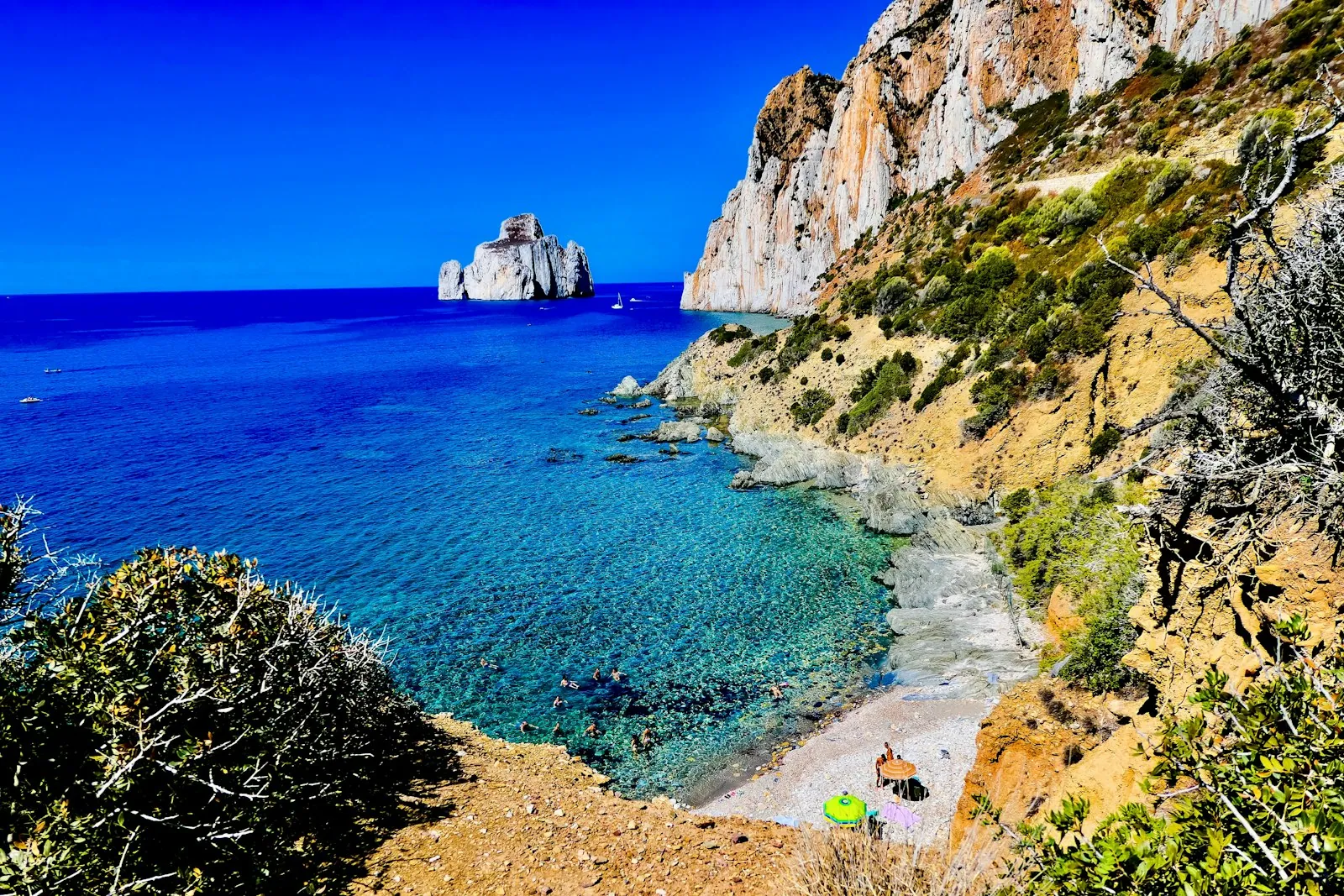
Bako is the smallest of Sarawak's national parks and, by a comfortable margin, the most rewarding day trip from Kuching. It sits on a peninsula about 40 kilometres north-east of the city, on a chunk of jungle-covered sandstone that ends in a coastline of pink-and-cream sea cliffs, hidden beaches and small green bays. It is the easiest place in Borneo to see proboscis monkeys in the wild. It has seven walking trails of various lengths, from a 15-minute mangrove boardwalk to a four-hour jungle traverse. And — unlike most national parks in Malaysia — you can do the whole thing yourself, on local transport, for a fraction of what an agency tour costs.
This is how it works.
How to get there independently
From Kuching, walk or grab a bus to the open-air bus terminal at the foot of Khoo Hun Yeang Street, near the riverside. You want **bus number 1** to Bako Bazaar — a tiny ferry village at the start of the river that leads out to the park. The bus runs roughly hourly through the morning and costs just a few ringgit. Departure times are flexible in the way that local Malaysian buses are flexible: the schedule says 7 a.m., the bus leaves when it is full. Plan for that.
Bako Bazaar is the end of the road. The actual park is on a peninsula reachable only by boat. At the river jetty in Bazaar, a boatman will quote you a per-boat fare to cross — about 30 RM each way for a wooden longtail that fits five passengers. If you arrive on your own, hang around the jetty for ten minutes. Other independent travellers turn up in twos and threes; pool yourselves into one boat and the per-person price drops to a quarter. The crossing is 20 minutes through mangroves and out to the open sea.
You pay your park entry fee at the headquarters on arrival (a few ringgit, modest), pick up a free map, and you're on the trails.
The walking trails
Bako has seven colour-coded trails radiating from park headquarters, ranging from the easy to the genuinely demanding. The two best for a single day are:
- **Telok Paku (red trail)** — about 1.5 hours return, an easy-to-moderate jungle walk through prettily layered forest, ending at a quiet beach with sandstone cliffs at either end. This is the classic "first walk at Bako" and the best one to do early in the morning, when the wildlife is most active and the tour groups haven't arrived. Mudskippers in the mangroves at the start, sea snakes coiled on the boardwalk, bright green pit vipers in the tree branches if you have a sharp eye, and — with luck — proboscis monkeys swinging through the canopy. - **Telok Pandan Kecil (blue trail)** — about 2.5 hours return, a longer walk that climbs out of the jungle onto a heath plateau, then drops you down a flight of steps to one of the best beaches in Sarawak: a horseshoe of pale sand, jungle on three sides, sea stack on the fourth.
The mangrove boardwalk near the jetty is also worth ten minutes for what it shows of low-tide life — fiddler crabs waving their oversized claws at you, mudskippers walking on their pectoral fins, kingfishers darting through the roots. Don't skip it.
Wildlife
Bako has a global reputation as the easiest place in Asia to see **proboscis monkeys** in the wild. There are about 250 of them resident in the park, in three or four troops, and they are habituated enough to humans that you can often watch them feed and play in the trees within ten metres of you. The males have huge pendulous noses and pot-bellies; the females are smaller and more elegant. They look genuinely strange — like something a cartoonist drew at the end of a long evening.
Other Bako residents you have a fair chance of seeing:
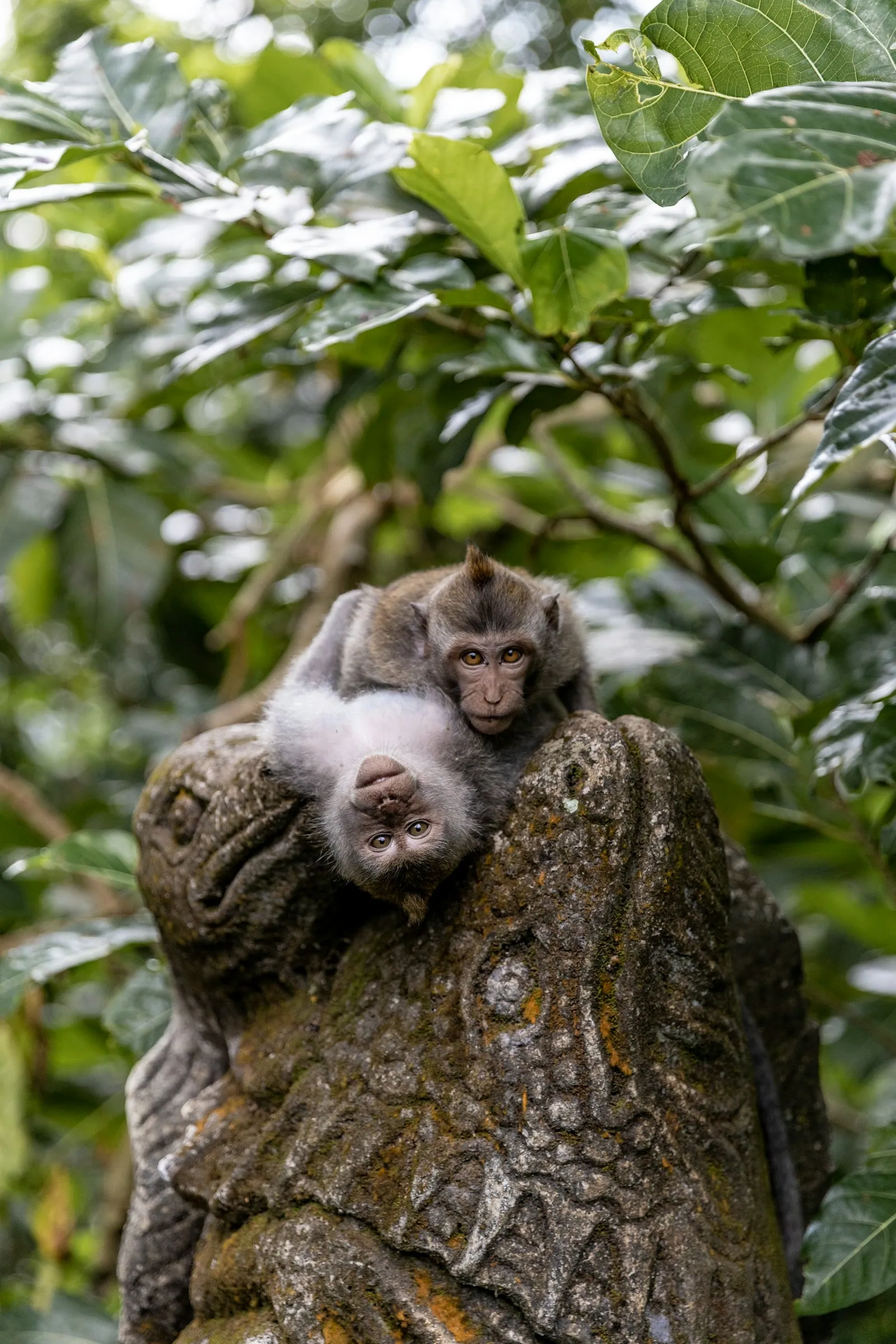
- **Long-tailed macaques** — opportunistic, cheeky, will steal anything left on a picnic table. Don't carry food in a clear plastic bag. - **Bearded pigs** — prehistoric-looking wild boars that snuffle along the forest paths around the headquarters area. - **Silver leaf monkeys** — beautiful slim-tailed grey monkeys, less famous than the proboscis but present in good numbers. - **Pit vipers** — bright green, beautiful, venomous. Don't touch. - **Flying lemurs** — actually colugos, mostly nocturnal, sometimes visible at dusk gliding between trees.
Best wildlife-watching window is the first ninety minutes after the park opens and the last ninety minutes before the boats stop running. The middle of the day is hot, the canopy quiets down, and the tour groups arrive.
Stay overnight, or day-trip?
You can do Bako as a day trip from Kuching — first boat at 8 a.m., last boat back around 4 p.m. — and see the headlines. Many travellers do exactly that.
If you have the option, stay one night. Park headquarters has cheap rest-house accommodation (book through the [Sarawak Forestry website](https://www.sarawakforestry.com/) before you arrive) and the dawn light on the sandstone cliffs is the best photography of the trip. The night walk, if a guide is available, is a different park altogether — frogs, civets, slow lorises, the eyes of a colugo reflecting the torch. A second day lets you tackle the longer Lintang summit trail, a four-hour jungle climb that nobody on a one-day trip ever has time for.
What to bring
- Long trousers and long sleeves for the jungle trails (the leeches are real, and the heath plateau has plenty of sun). - Proper walking shoes or trail runners; the boardwalks can be slippery and the climb up to the heath has rough sandstone steps. - Two litres of water minimum. - A dry-bag for the boat — the spray on the river crossing is enthusiastic. - Insect repellent. Sunscreen. A torch if you stay overnight. - Small notes for boat fare, bus fare and the park entry. ATMs are in Kuching, not at Bako Bazaar.
Doing more in Sarawak
Bako pairs naturally with two other day trips from Kuching:
- The **Semenggoh Wildlife Centre**, half an hour south, is where you go to see semi-wild orangutans at scheduled feeding times. - **Annah Rais longhouse**, an hour and a half inland, gives you a half-day at a working Bidayuh longhouse with hot springs nearby.
Combined with a slow morning at the Kuching waterfront and an evening on the river-front, four days in Sarawak is enough to see the headlines. Browse our [Asia stories](/category/asia) for more day-trip ideas, or our [Malaysia category](/category/asia/malaysia) for Sarawak-specific writing from other travellers.
Bako is the Sarawak national park experience in miniature — jungle, monkeys, sea cliffs, and boats — done in a day, on local transport, for the cost of a beer back home. If you only do one national park in Malaysia, do this one.
Quick reference for Bako National Park
**How to get there from Kuching:** local bus #1 from Kuching open-air bus terminal to Bako Bazaar (around 1 hour, runs hourly), then a longboat from Bako Bazaar jetty across the river to park HQ (20 minutes, around 30 RM per boat — share with other travellers to bring per-person cost down).
**Park entry:** a few ringgit at the headquarters office on arrival; map and trail leaflet provided free.
**Best trails for one day:** Telok Paku (red, 1.5 hours return, easy-moderate, beach at the end) plus the mangrove boardwalk near the jetty. For a longer half-day, Telok Pandan Kecil (blue, 2.5 hours return) leads to one of the most beautiful beaches in Sarawak.
**Best wildlife window:** the first ninety minutes after the park opens. Proboscis monkeys are most active in the early morning and again at dusk. Tour groups arrive mid-morning and the canopy quiets down.
**What to pack:** long trousers and long sleeves for the trails (leeches in the wetter sections, sun on the heath plateau), proper shoes, two litres of water per person, dry-bag for the boat ride, insect repellent, sunscreen, small notes for the boat fare and park entry. There are no ATMs at Bako — bring cash from Kuching.
**Stay overnight?** Yes if you can. Park HQ has cheap rest-house accommodation booked through the [Sarawak Forestry website](https://www.sarawakforestry.com/). Dawn light on the sandstone cliffs is the best photography of the trip and the night walks open up an entirely different park.