Mallorca in Five Days: Palma, the Tramuntana and the Hidden Coves
Five days on the Balearic island that quietly does everything well — the Gothic cathedral, the mountain villages, and the turquoise calas.
📍 Mallorca, Spain
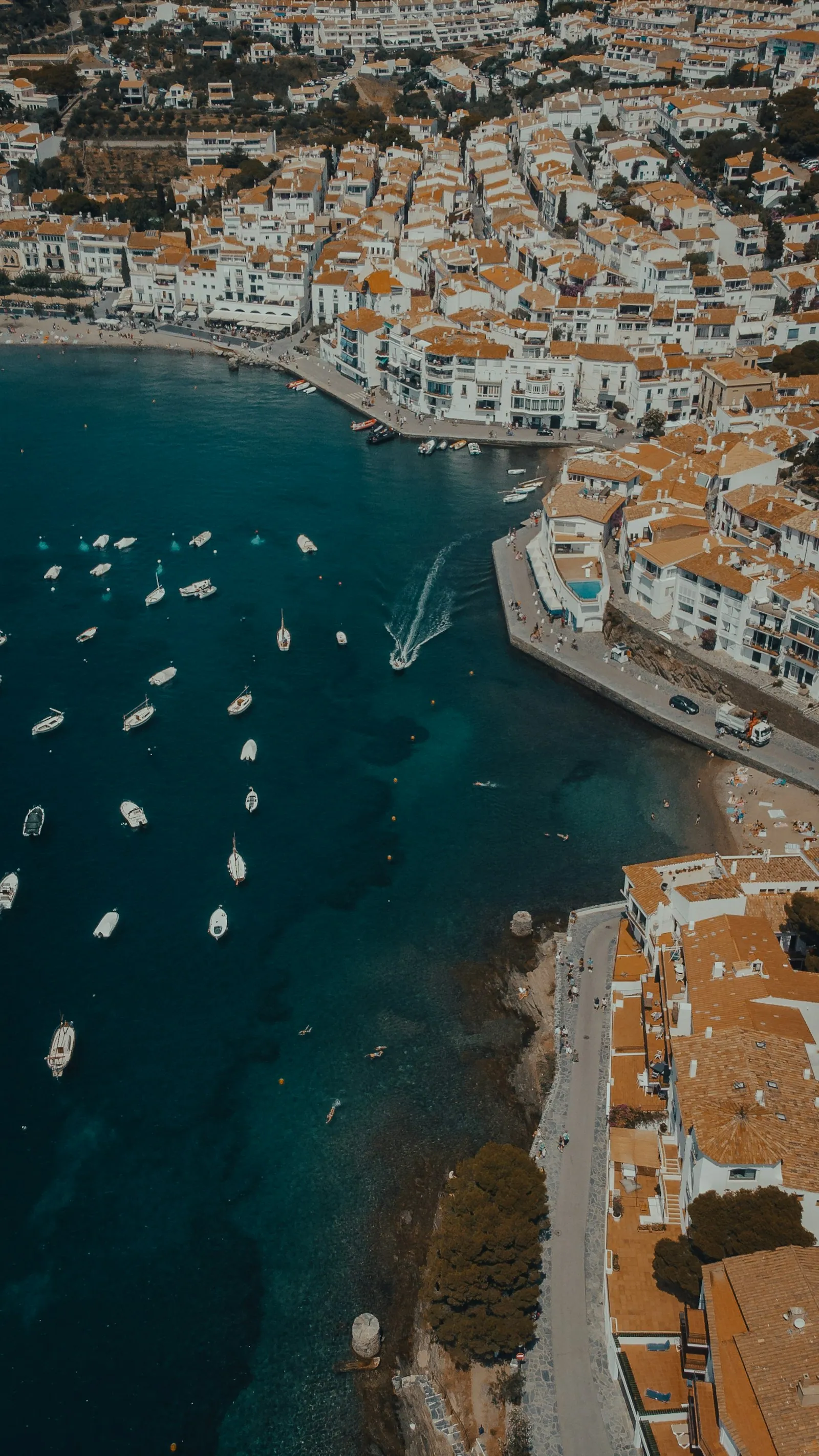
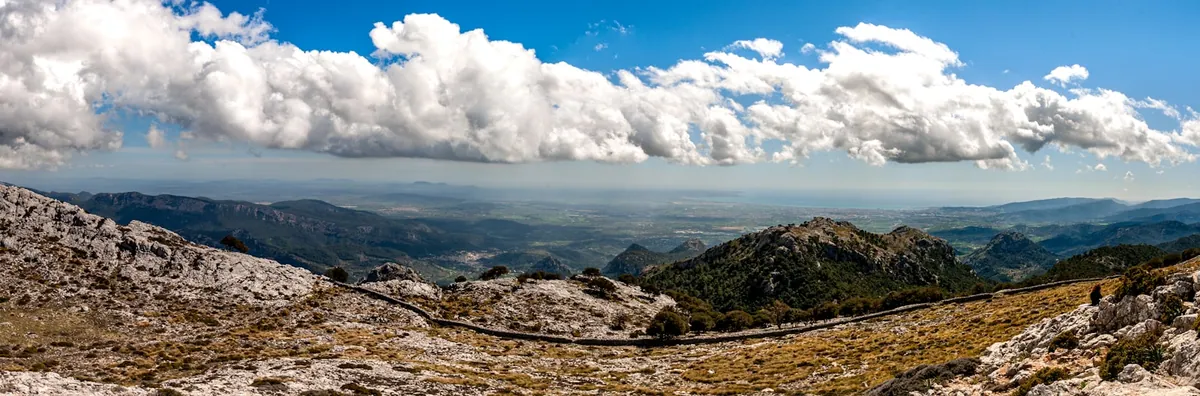
Mallorca is the largest of the Balearic Islands, sitting in the western Mediterranean about 200 kilometres east of mainland Spain, and it is the bit of Spain that the Germans, Brits, and Spaniards themselves all quietly love most for a summer week. The island has, in 3,640 square kilometres, three completely different landscapes: the elegant Gothic-Renaissance capital of Palma de Mallorca on the south coast (one of the most underrated city breaks in the western Mediterranean); the dramatic Serra de Tramuntana mountain range running along the entire north-west coast (UNESCO-listed, with stone-walled olive terraces, mountain villages, and high coastal cliffs); and the turquoise-water calas (small rocky coves) of the south-east coast that look more like the Caribbean than the Mediterranean. Add the food (the Balearic island specialities — sobrassada, ensaïmada, tumbet, sopas mallorquinas — are all excellent), the wine (the local Bodegas Anima Negra and José L. Ferrer are world-class), and a five-day trip fills itself.
The setup
Fly into Palma de Mallorca (15 minutes from the centre by bus). Hire a small car at the airport for the days you’ll be exploring outside Palma — the public transport doesn’t reach most of the calas or smaller mountain villages. Stay two nights in Palma, then move to a small village in the Tramuntana (Deià, Valldemossa, or Sóller) for one night, and then to a coastal town on the east coast (Porto Cristo or Cala d’Or area) for two nights.
Day one: Palma de Mallorca
Palma is the surprise of the trip. Most people fly into Palma en route to a beach hotel and barely register it. Don’t. Spend a full two days in the city.
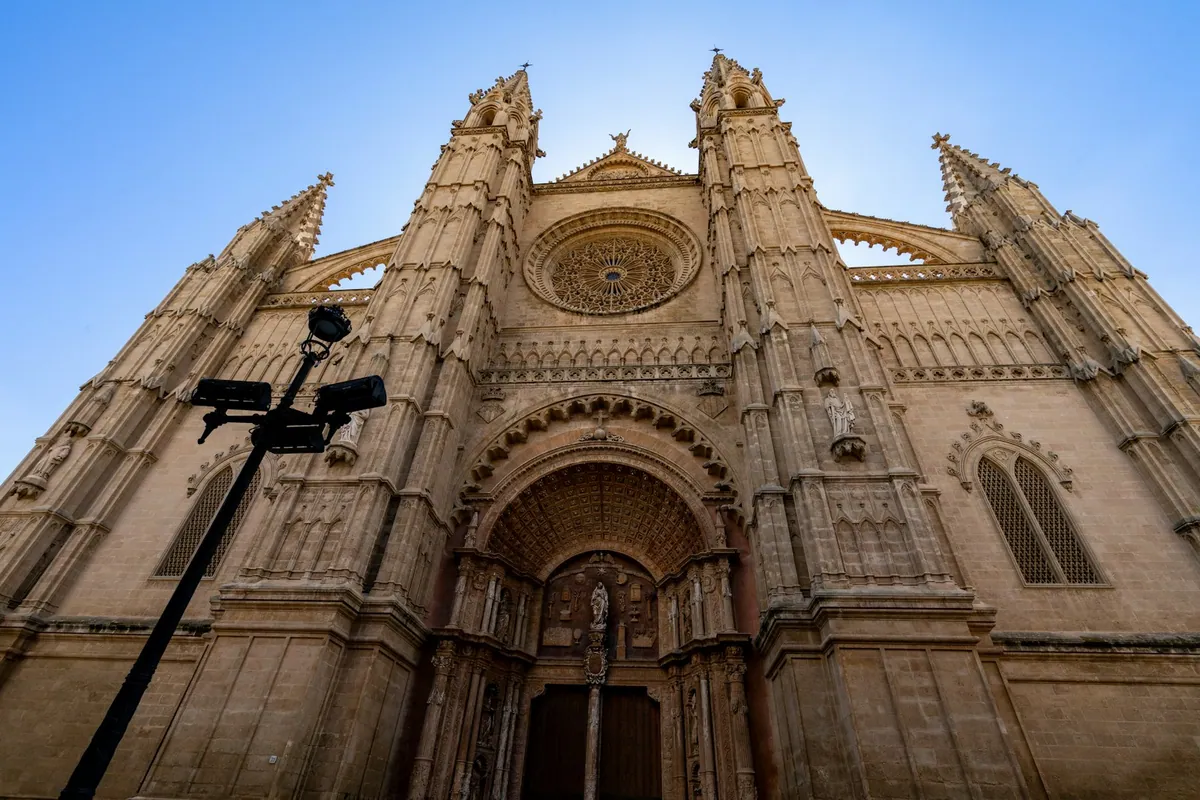
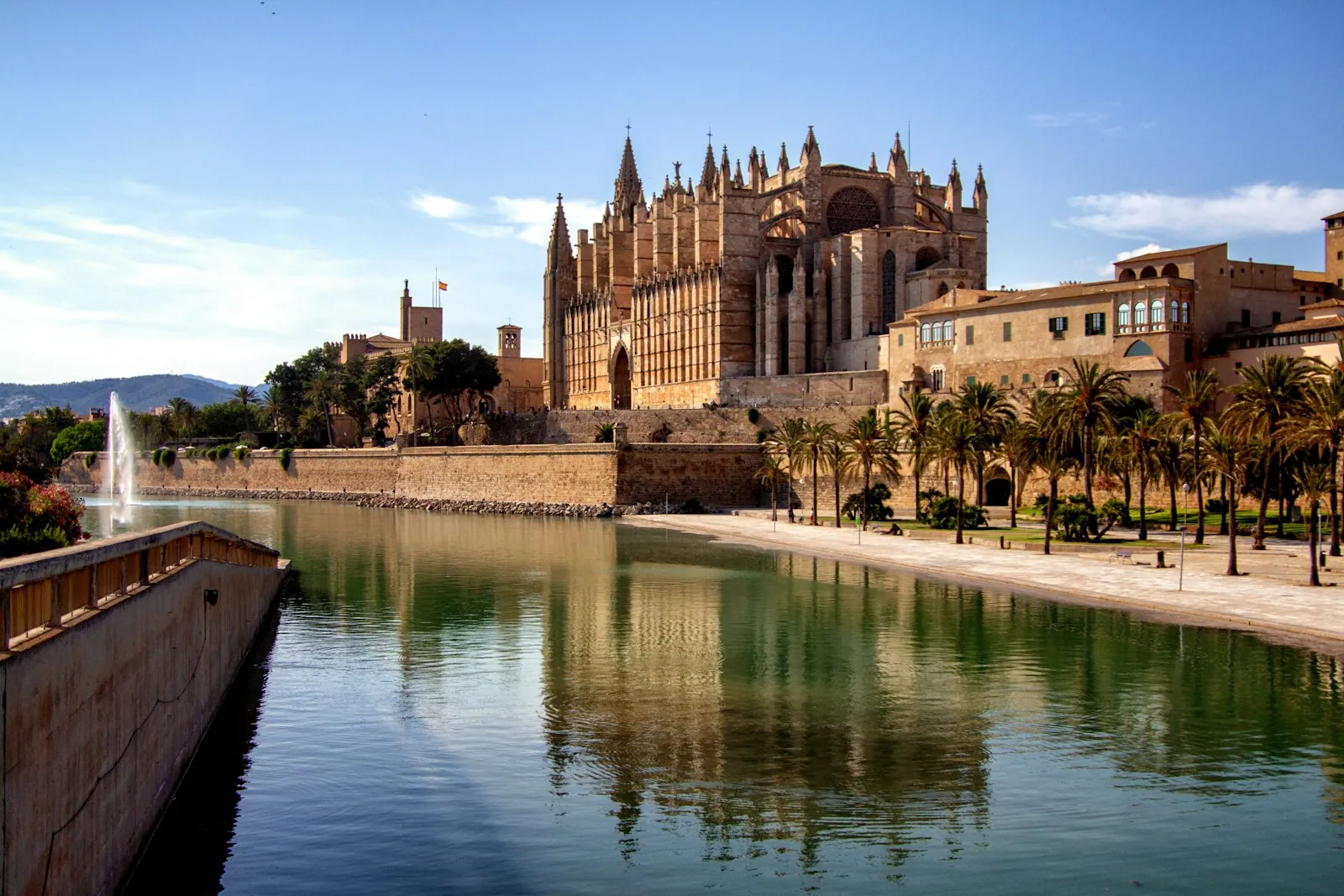
Palma Cathedral (La Seu) is the architectural anchor. Built between 1229 and 1601 on the site of a former mosque, the cathedral is one of the great Gothic buildings in Spain — a 121-metre-long nave, the largest Gothic rose window in the world, and a series of interior alterations including significant 1904–1914 work by Antoni Gaudí (yes, the Barcelona one — he was hired as restoration architect and added the celebrated wrought-iron baldachin over the high altar). Climb the cathedral terraces for the rooftop view of the city and the bay. About €10 entry; allow ninety minutes.
Walk a slow loop of the old town behind the cathedral. The Plaça Cort with the giant olive tree (over 800 years old, transplanted from a Mallorcan farm). The narrow streets of the Sa Llotja and El Born quarters. The Palau de l’Almudaina (the royal palace, built on the site of the Moorish alcázar, still used for state ceremonies, open for visits). The 11th-century Banys Àrabs (Arab Baths), the only surviving Moorish-era building in Palma.
For lunch, eat at one of the small tapas bars in the Sa Llotja quarter — Bar España, Bar Bosch, or any of the bars around Plaza de la Llotja.
In the afternoon, walk along the Passeig del Born — the broad tree-lined boulevard that runs from the cathedral to the main avenue. Browse the Spanish and international shops. Stop at one of the many cafes for a coffee.
End the day with a sunset on the marine promenade looking back at the cathedral. Eat dinner at one of the wine bars in the El Born quarter.
Day two: more Palma, day trip to Sóller
Spend the morning in Palma. Visit the Es Baluard contemporary art museum (housed in the old city walls, with great rooftop views), or take a slow walk through the Santa Catalina neighbourhood (the bohemian quarter west of the centre, with a covered market and excellent restaurants).
In the afternoon, take the famous Tren de Sóller — a 1912 wooden electric train that climbs through the mountains from central Palma to the village of Sóller, an hour’s ride through citrus groves and tunnels through the Tramuntana. Cost: about €25 round trip. The train is the experience as much as the destination — narrow gauge, mahogany-panelled carriages, the slow climb through the mountains.
Sóller itself is a small town in a beautiful mountain valley, with a Modernist cathedral (Sant Bartomeu), an art deco main square, and a tram (the Tren de Sóller’s sister line) that takes you down to the small port of Port de Sóller for a swim or a sunset dinner. Take the tram (cost about €8). Eat at one of the seafront restaurants in Port de Sóller.
Train back to Palma in the evening, or stay one night in Sóller.
Day three: drive into the Tramuntana
Hire your car. Drive into the heart of the Tramuntana via the small road MA-10 north from Palma. Stop at Valldemossa first — the famous mountain village where Chopin and George Sand spent the winter of 1838–39 in the Royal Carthusian Monastery (Real Cartuja). The monastery is open for visits and has a small museum with the piano Chopin played and several of his manuscripts. The village itself is small, beautifully kept, with stone houses and a working agricultural rhythm.
Continue to Deià — the next village along, smaller and arguably even prettier, the home of the British poet Robert Graves and a long-standing artists’ colony. The cemetery of Sant Joan Baptista, on the hill above the village, is where Graves is buried, and the view across the village to the Tramuntana coast is one of the best in the island.
For lunch, eat at one of the restaurants in Deià. Es Racó d’es Teix (one Michelin star, in a beautiful old village house) is the destination. Sa Forn de Sant Joan and Restaurante Sebastián are reliable mid-range options.
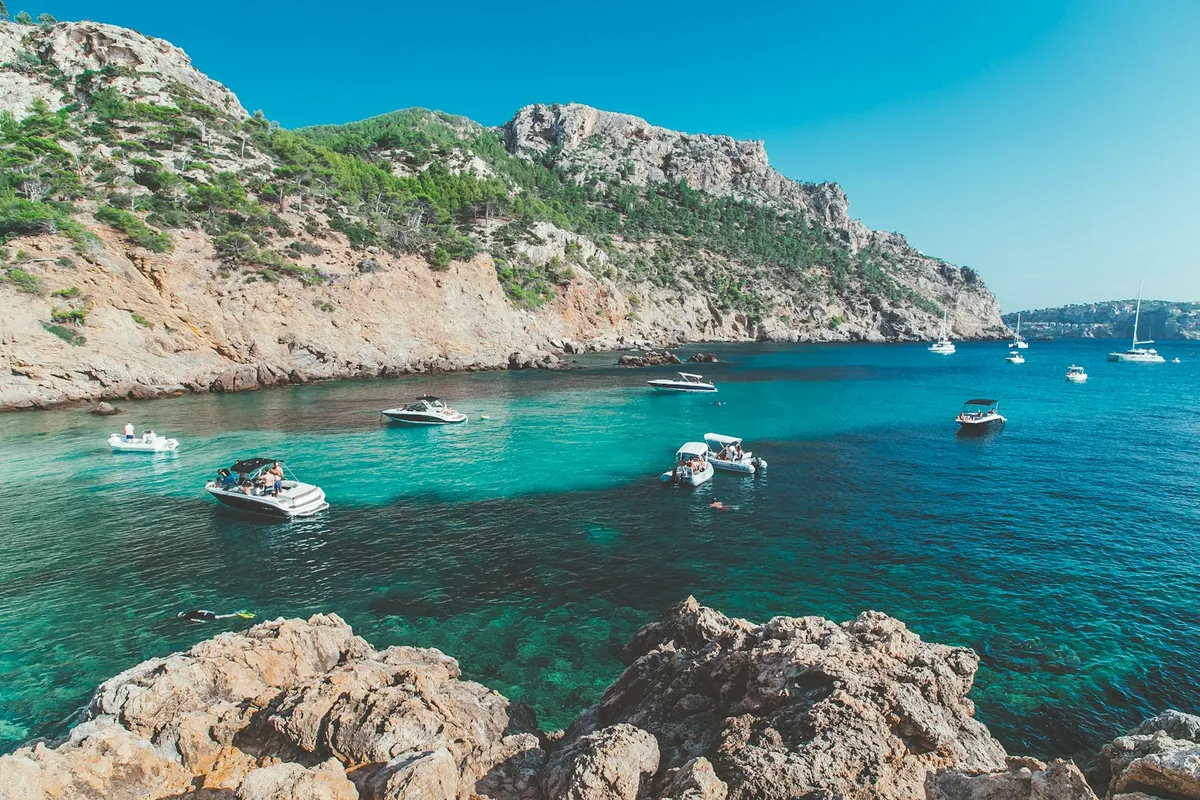
Walk down to Cala Deià in the afternoon — a small rocky cove at the base of the cliff below the village. Beach is small. Water is clear. The two beachfront chiringuitos (Ca’s Patró March and Cala Deià Restaurant) serve fresh fish and cold drinks.
Stay overnight in Deià or one of the small Tramuntana hotels. Early to bed.
Day four and five: the south-east calas
Drive south-east from the Tramuntana to the area around Santanyí and Porto Cristo — the south-east corner of the island, famous for its small turquoise calas (rocky coves with white-sand bottoms and astonishingly clear shallow water).
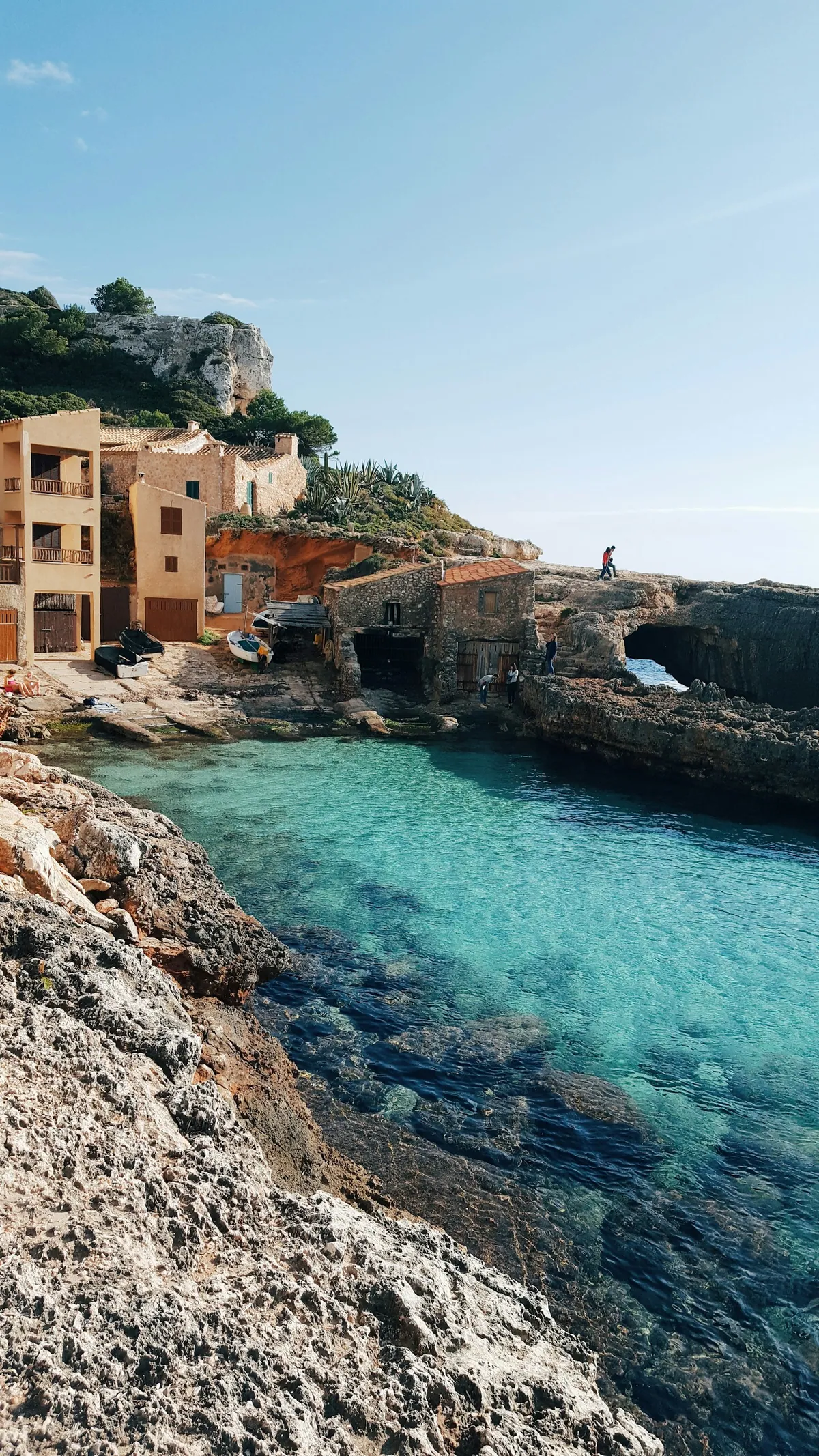
The standout calas: Cala Mondragó (in a small natural park, with two adjacent beaches and a short walk between them); Cala Llombards (a small horseshoe of white sand backed by cliffs); Cala s’Almunia (a tiny rocky cove with crystal-clear shallow water, one of the most photographed coves on the island, accessed by stairs from a tiny clifftop village); and Cala Varques (a wilder cove, longer walk in, less crowded). Each is a half-day. Drive between two on day four and one or two on day five.
For one of the days, visit the Caves of Drach (Cuevas del Drach) near Porto Cristo — a famous network of limestone caves with one of the largest underground lakes in the world (Lake Martel). Tours run hourly and end with a small classical-music concert performed by musicians on a boat on the lake. Touristy, but genuinely lovely.
End the trip with a final dinner in Santanyí or Cala d’Or, then drive back to Palma for the return flight.
How nice are Mallorquins?
Island-warm. Mallorca has long since adapted to mass tourism and the local hospitality is professional, polished, and consistently friendly. My five days included: a Palma cafe owner walk me three blocks to point out a back-street tapas bar he thought I’d like better than his own; a Tramuntana hotel host bring out a small bottle of homemade hierbas (the local herb liqueur) on my last evening; and a beach kiosk owner at Cala Mondragó refuse the change from a €20 note because “you only had two beers, take the rest, friend.” The friendliness is real, even where the tourism is heaviest.
If you go
• Hire a car. Public transport reaches Palma and Sóller; the calas need wheels. • Visit between May and June or September to early October. July and August are crowded and very hot. • Eat the Mallorcan specialities — sobrassada (the soft cured pork sausage), ensaïmada (the spiral pastry), tumbet (the local ratatouille), and sopas mallorquinas (the dry “soup” of bread and vegetables). • Don’t skip Palma. The city is one of the great underrated city breaks in the Mediterranean. • Time the calas for early morning or late afternoon to avoid the midday crowds.
Mallorca is the bit of the Mediterranean that does everything well. Five days here will give you the Gothic cathedral of Palma, the mountain villages of the Tramuntana, and three or four turquoise calas. You leave understanding why people who go once tend to come back every summer.
Plan your trip to Spain
For more, see our Spain travel guide and country page, places to visit in Spain on BugBitten, tours and experiences in Spain.
Useful external resources: the Spain country profile on Wikipedia and the official Spain tourism portal.